Tina Müller · 1 October 2026
Quilby Library Launches Digital Archive Project Documenting Town History
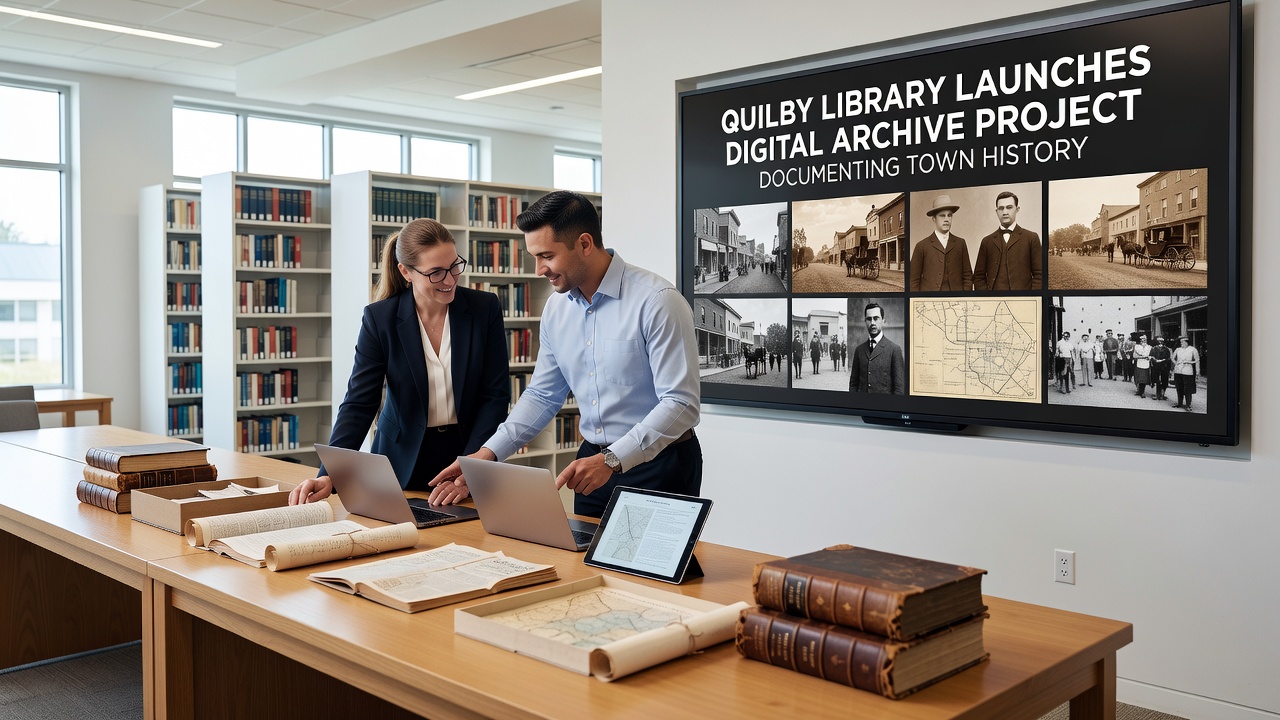
The Quilby Library has initiated a digital archive project aimed at preserving and providing access to the town's historical records, with the formal rollout scheduled to begin in October 2026. Library officials have stated that the initiative will convert physical documents, photographs, and oral histories into searchable digital formats while maintaining original materials under controlled conditions. Community members have contributed items such as maps from the early 1900s, school yearbooks dating back to 1925, and recorded interviews with longtime residents. Project coordinators report that the archive will include over 5,000 items once complete, drawing from municipal records, private donations, and institutional holdings. Staff members plan to use high-resolution scanners and metadata standards that align with practices outlined by the Library of Congress, allowing for future interoperability with larger national collections. Volunteers have already begun sorting materials in the library's basement storage area, where temperature and humidity controls have been upgraded to prevent further deterioration.Scope of the Collection
The archive focuses on three primary categories: governance documents, visual records, and personal narratives. Governance materials encompass town meeting minutes from 1878 onward, zoning maps that show land use changes through the mid-20th century, and correspondence between local officials and state agencies. Visual records feature glass plate negatives from local photographers, postcards depicting main street businesses, and aerial photographs taken during the 1940s and 1950s.
Personal narratives consist of audio recordings collected since the 1970s, along with handwritten letters and diaries donated by families whose ancestors settled in the area before 1900. Digitization technicians apply optical character recognition software to text-based items, creating full-text searchable files that researchers can access through the library's online portal. Each entry receives standardized metadata tags for date, location, subject, and contributor name.
Community Participation and Timeline
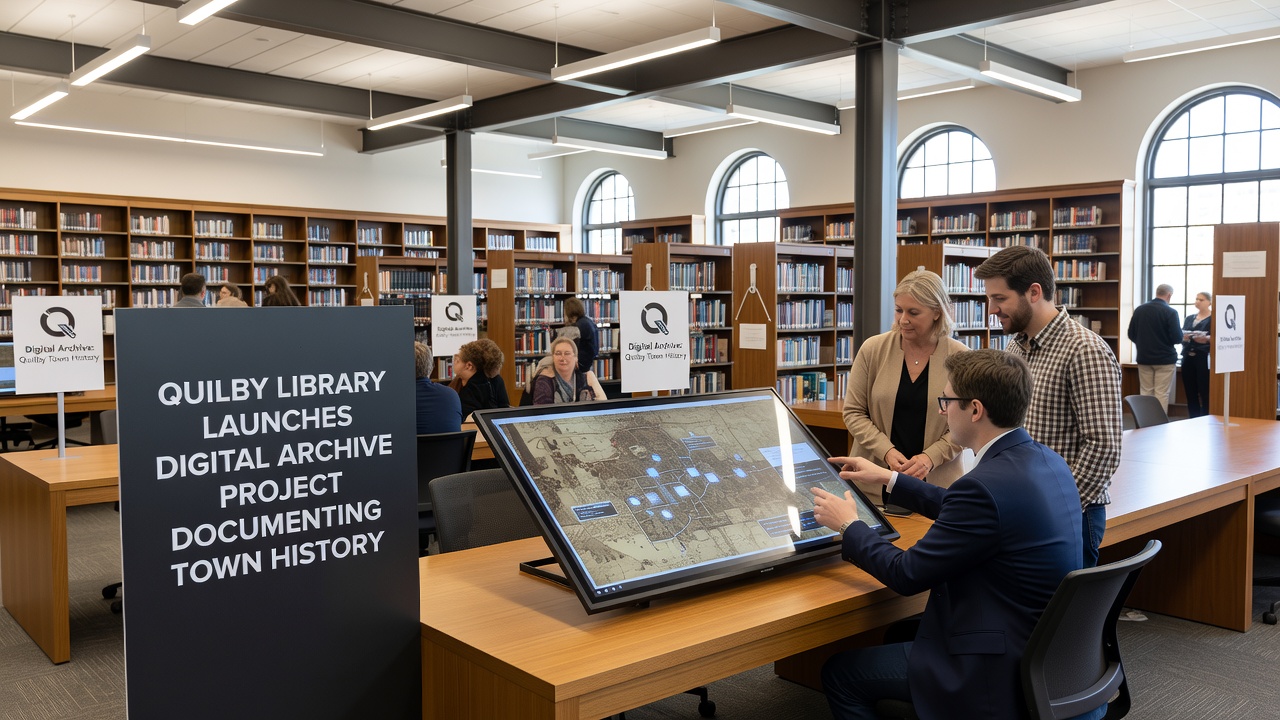
Library administrators opened a public call for additional submissions in September 2026, resulting in more than 200 new donations within the first month. Residents have delivered items ranging from 19th-century land deeds to photographs of the 1938 hurricane damage along the riverfront. Training sessions for volunteer scanners occur every Tuesday evening, where participants learn basic handling protocols and file naming conventions.
The project timeline allocates the first six months to core municipal records, followed by phased integration of private collections through 2027. A public launch event is set for October 15, 2026, during which attendees can preview the initial batch of digitized materials and register for research accounts. Funding for equipment and software has come from a combination of town budget allocations and a matching grant administered through state library services.
Technical Standards and Access
Technicians follow file format guidelines recommended by the National Library of Australia for long-term digital preservation, including TIFF masters and derivative JPEG files sized for web viewing. The online interface will support keyword searches, date-range filters, and geographic mapping overlays once fully operational. Access remains free to registered users within the library network, while remote visitors can view low-resolution previews without login credentials.
Security measures include regular backups stored at an off-site facility and watermarking on high-resolution downloads to discourage unauthorized reproduction. Staff members have consulted with archivists at several regional institutions to refine workflows and avoid common pitfalls encountered in earlier digitization efforts.
Conclusion
The Quilby Library Digital Archive Project represents a systematic effort to safeguard the town's documentary heritage through conversion to stable digital formats. As the October 2026 launch date approaches, organizers continue to accept contributions and refine the platform ahead of public release. Similar initiatives at other institutions demonstrate that sustained community involvement and adherence to established technical standards increase the long-term utility of such collections for researchers and residents alike.