Tina Müller · 29 October 2026
Quilby Woodworking Collective Teaches Traditional Crafts to New Generations
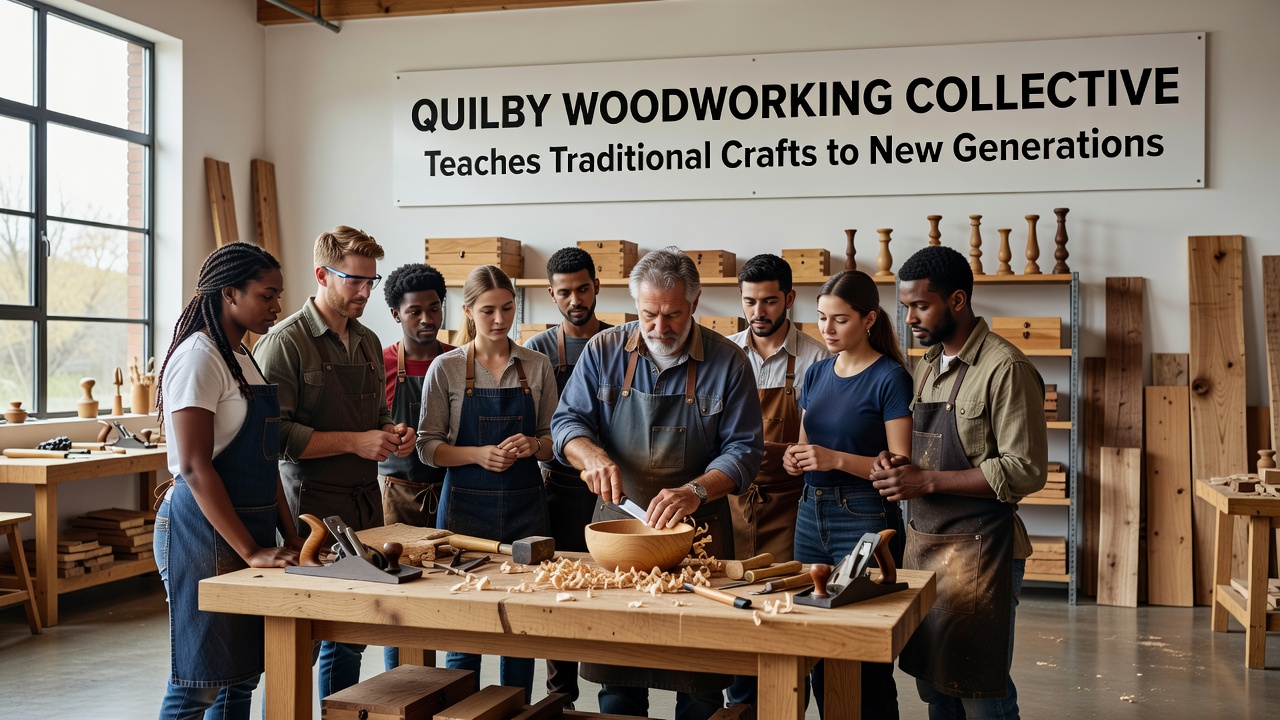
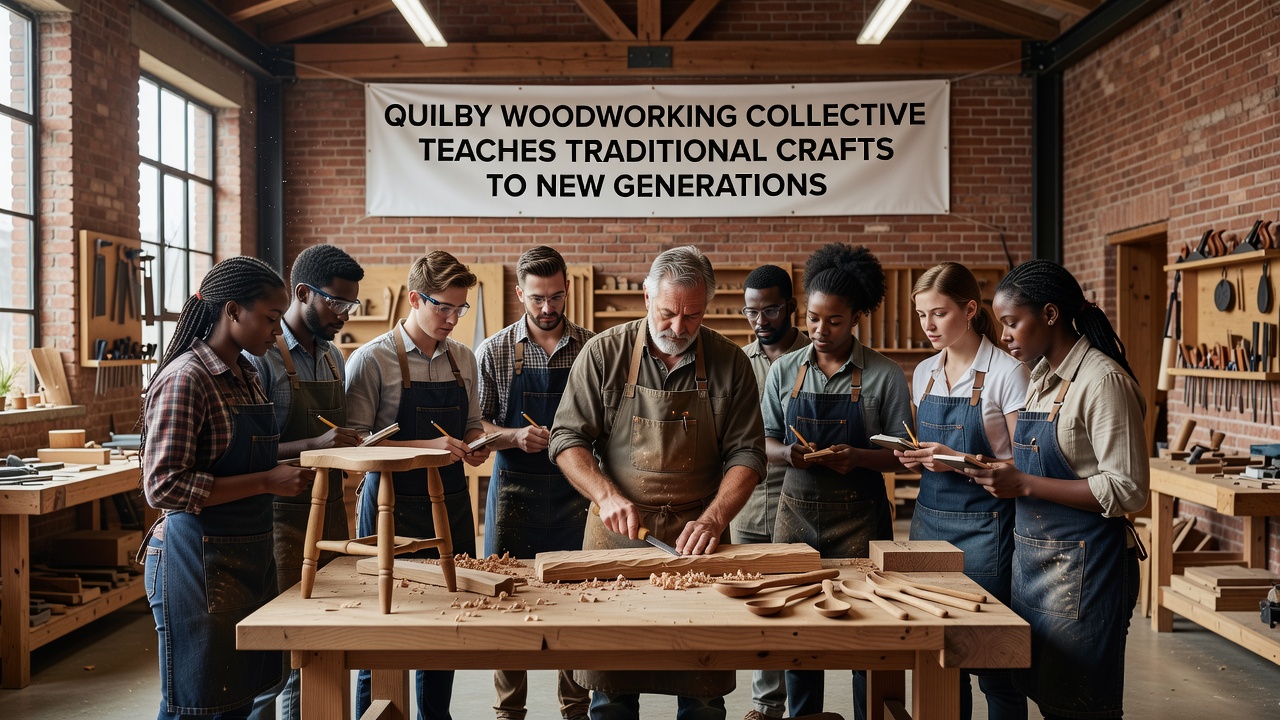
The Quilby Woodworking Collective operates from a restored mill building on the edge of town and focuses on transmitting skills such as mortise-and-tenon joinery, hand-planing, and decorative carving to residents of all ages. Founded in 2004 by a group of local artisans, the organization runs year-round classes that combine lectures on wood species properties with supervised practice sessions using both antique and modern tools.
Program Structure and Curriculum
Classes meet three evenings each week plus two full Saturdays per month, and enrollment data from the past five years shows steady growth from 28 participants in 2021 to 87 in 2025. Instructors introduce students first to green woodworking methods that rely on freshly cut timber, then progress to seasoned stock and precision fitting, while safety briefings cover dust extraction standards set by the Occupational Safety and Health Administration. October 2026 brings an expanded schedule that includes a two-week intensive on Windsor chair construction, open to anyone who has completed the introductory sequence.
Participants source local hardwoods from sustainable lots certified by regional forestry services, and each cohort documents its projects in a shared digital archive that records measurements, material origins, and finishing recipes. This record-keeping allows later groups to replicate successful designs or adjust for variations in wood density.
Community Partnerships and Outreach
The collective partners with Quilby High School’s industrial arts department to offer after-school sessions that count toward elective credits, and similar arrangements exist with the county extension office for adult learners. In 2023 the group received a materials grant from the National Endowment for the Arts that funded the purchase of a second bandsaw and additional carving sets, increasing simultaneous workshop capacity by 40 percent.
Outreach extends beyond town limits through occasional demonstrations at county fairs and collaborations with neighboring craft guilds. A recent exchange with the Canadian Woodturners Association brought two visiting instructors who demonstrated spindle turning methods adapted from 19th-century patterns, and attendees received take-home templates for future reference.
Skill Transmission and Long-Term Outcomes
Surveys conducted by the collective indicate that 62 percent of graduates continue independent projects within six months of completing the core curriculum, while 18 percent have launched small businesses selling custom furniture or architectural millwork. One former student now supplies replacement sash components for historic homes under contract with the local historic district commission. Another teaches weekend workshops at the collective itself, illustrating how knowledge cycles back into the same organization.
Equipment maintenance follows a rotating schedule that assigns responsibility for sharpening, lubrication, and blade calibration to different members each quarter, ensuring tools remain in working order without relying on a single volunteer. Storage protocols separate hardwoods by moisture content and species to prevent warping or cross-contamination during drying.
Conclusion
The Quilby Woodworking Collective maintains a documented record of completed projects and participant retention rates that can be examined by any interested party. Its ongoing classes and scheduled 2026 programming continue the pattern of structured instruction that has operated without interruption since the group’s establishment. Updated calendars and registration details appear on the organization’s public website.